
Research
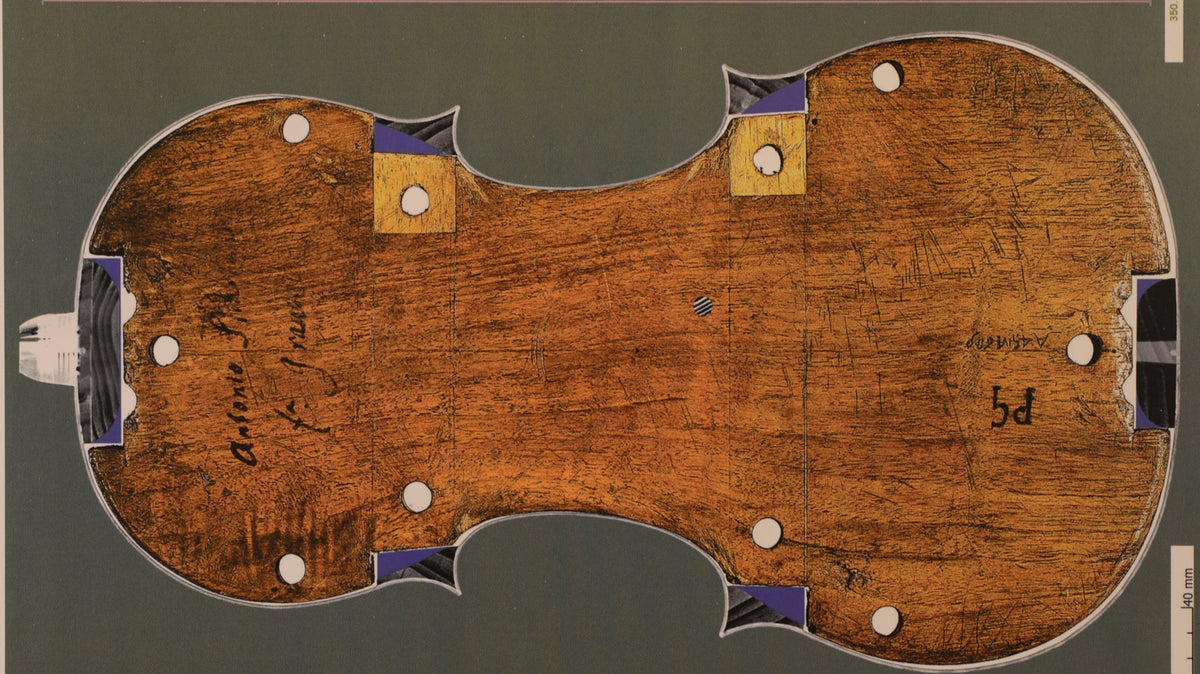
Stradivari Wasn't Trying to Build the Best Violin
Anyone can pursue an ideal without constraints. Stradivari never tried to make the world's best violin. And that's the most interesting thing about him. The phone in your pocket is...
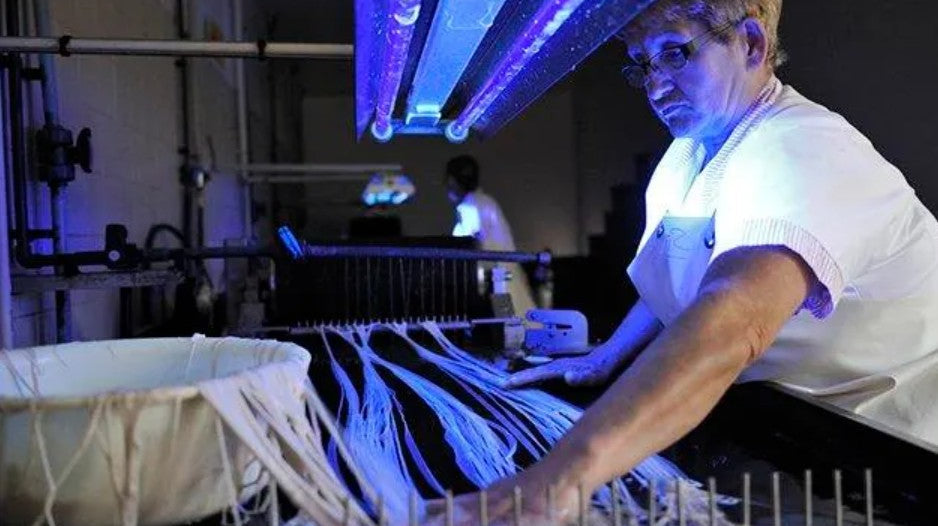
Functional Adjacency: On the Evolutionary Credentials of Organic Materials in the Violin Family
I. The Argument From Nature, and Its Unexamined Premise There is a defense of traditional lutherie that is rarely stated outright because it is rarely felt to need stating. It...
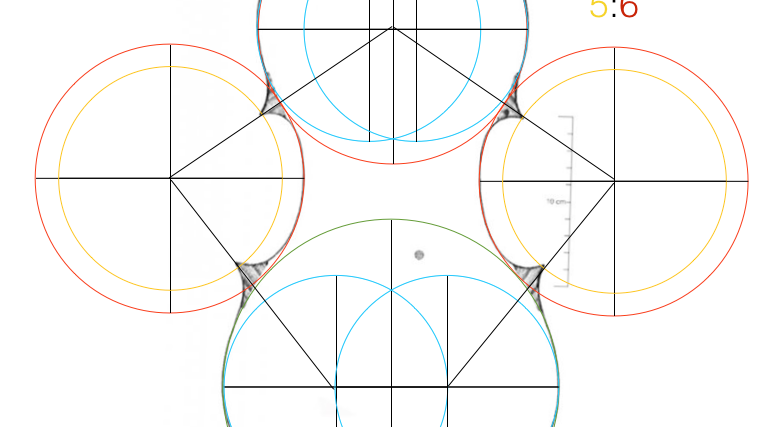
The Secret Written Into Your Cello’s Silhouette
Pick up your cello and look down at its body as a shape — not the varnish or the scroll, but the silhouette. Is it long and drawn-in at the...

Who Influences the Influential? (Apparently Not Classical Music)
Every year, the Time publishes its list of the 100 most influential people in the world—a snapshot of contemporary power across politics, business, science, and the arts. It is natural...
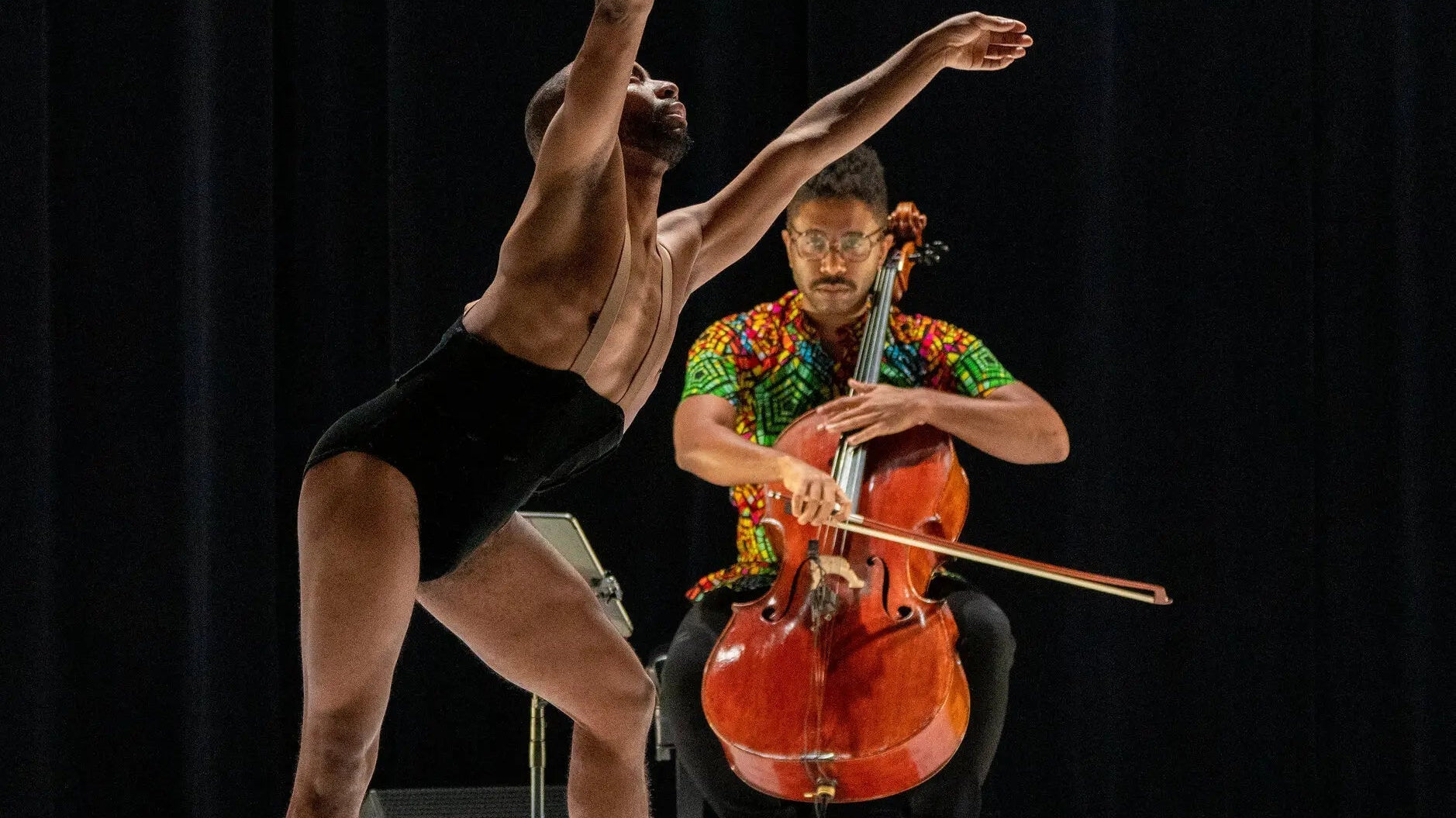
"How Does Your Cello Sound?", and Other Bad Questions.
Beyond “Sound”: Rethinking How We Describe the Cello There’s a subtle but consequential problem in how we talk about instruments—especially bowed strings. Ask a player or maker, “How does this...

Beyond Color: Toward a Physical Vocabulary for Evaluating the Cello
“The feedback loop between player and maker has been degraded by a vocabulary that cannot carry technical information.” I. The Poverty of the Paintbox Ask a cellist to describe the...
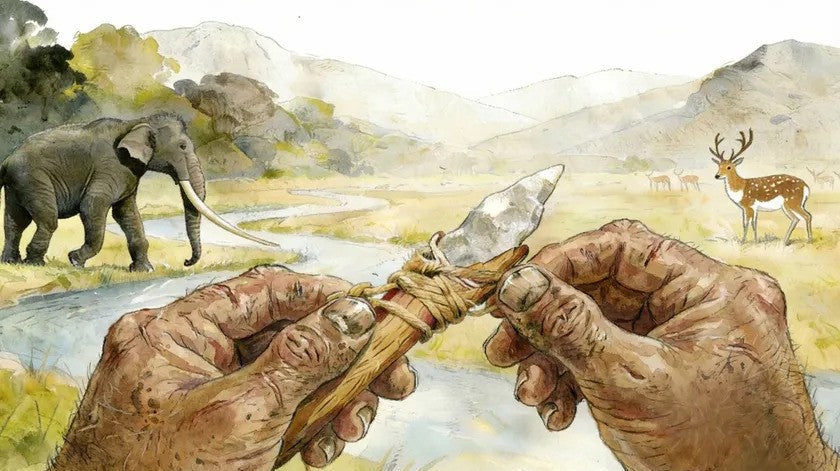
The Dark Age of Luthiery
"Evolution requires a selective pressure, a demand that identifies inadequacy and calls for a response. In the absence of a living milieu, the technical object does not evolve. It crystallizes....
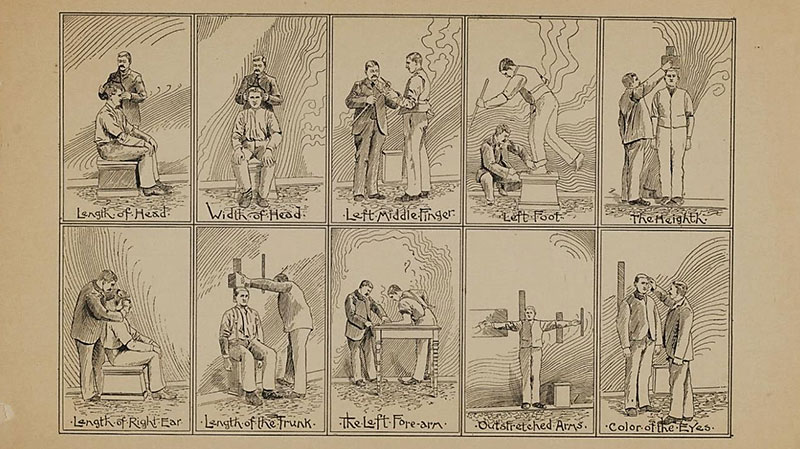
The Bow as a Human Tool: Ergonomics, Biometry, and the Unfinished Modernization of Violin and Cello Bows
Modern standards implicitly assume a hand size, finger span, and muscle endurance profile closer to an eighteenth- or nineteenth-century European male laborer than to today’s diverse population of professional players. The result...
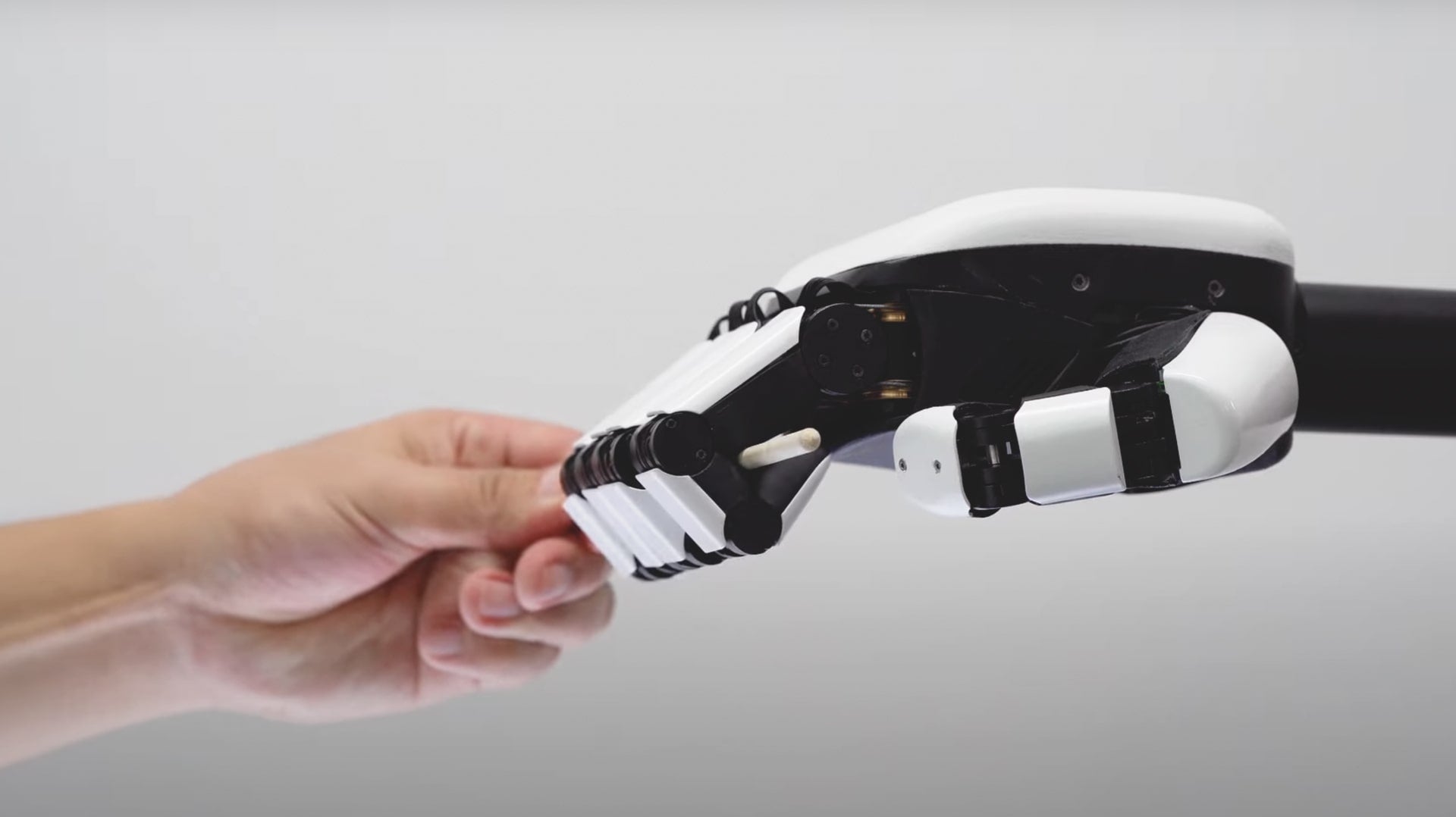
Will a Robot Hand Exceed Stradivari?
Robots perform the gestures of discovery without the consciousness of risk or failure. They enact the evolution of intuition without the anxiety of meaning. I. The Problem Stated: Robotics Meets...
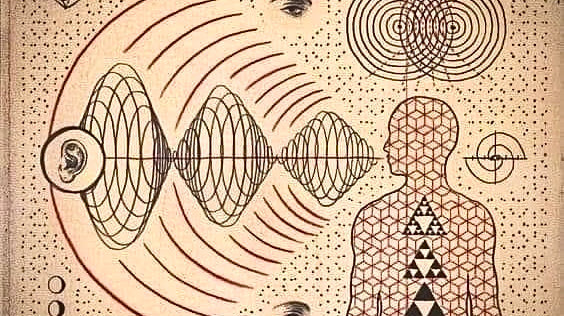
The Ideal Violin Tone: Physics, Perception, and the Problem of Language
At no point does ‘tone’ exist as a stable object. It is a time-dependent pattern of energy flow, continuously sustained and continuously decaying. This immediately distinguishes sound from visual phenomena....
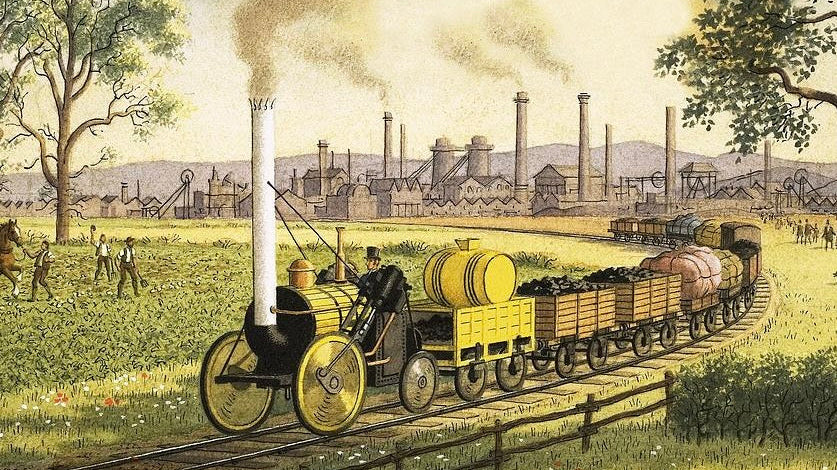
The Tourte Bow and the Birth of the Machine
“The Tourte bow occupies a transitional place in the history of human instrumentality: it is the moment when gesture becomes mechanism.” The cello bow is a technological artifact that hides...

Death and The Violin
“The history of the violin, like the history of life, is written in the language of disappearance.” The violin is often praised as the perfect instrument. Yet its perfection, if...